Product Introduction
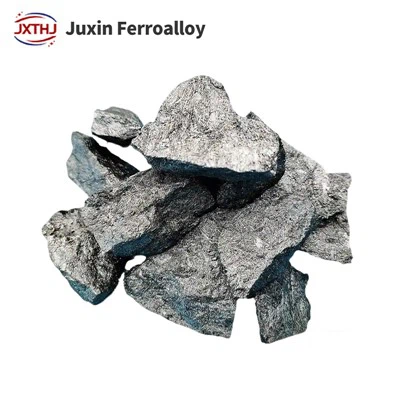
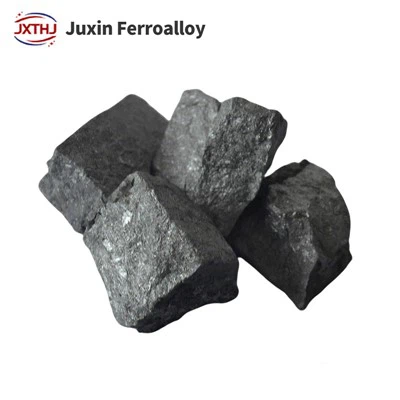
Silicon carbon alloy briquettes are spherical composite products formed by scientifically blending and compressing silicon and carbon, the two core elements. These balls feature uniform density and typically measure 10–50 mm in diameter, ensuring convenient handling. During steelmaking, the carbon and silicon within silicon-carbon balls rapidly react with oxygen in molten steel, facilitating diffusion deoxidation. The unoxidized portion directly dissolves into the molten steel, achieving dual benefits of deoxidation and carbon enrichment. They are widely used in the production of low-alloy structural steel, carbon steel, and bearing steel, and even serve as a reducing agent in the ferroalloy industry.
Core Advantages
First
Significant cost advantage. It can replace expensive ferrosilicon and carbon additives, helping steel mills substantially reduce per-ton steel costs.
Second
Enhanced metal recovery rate. As silicon-carbon alloy balls incorporate alloy components, they minimize oxidation losses of alloy elements, achieving higher recovery rates.
Third
Environmentally friendly and highly efficient. It not only shortens deoxidation time but also reduces workshop dust pollution, improving working conditions.
Functions of Silicon-Carbon Alloy Briquettes
① Deoxidation
The silicon in silicon-carbon alloy balls exhibits strong chemical affinity with oxygen, enabling effective reaction with oxygen in molten steel to achieve precipitation deoxidation and diffusion deoxidation. This significantly reduces oxygen content in molten steel, minimizes oxide inclusions, enhances steel purity, and ensures material quality.
② Silicon and Carbon Enhancement
Silicon and carbon not consumed in the deoxidation reaction dissolve into the molten steel, increasing its silicon and carbon content to meet the composition requirements of different steel grades. This adjusts the strength, hardness, toughness, and other properties of the steel while improving the recovery rate of alloying elements and reducing the consumption of alloy additives.
③ Heat Generation and Insulation
Silicon-carbon alloy balls release substantial heat when combusted at high temperatures, serving as effective heat agents to elevate molten steel temperature and shorten smelting duration. Particularly during the initial phase of converter smelting when heat is insufficient, they accelerate slag formation, improve slag fluidity, and reduce energy consumption.
④Improving Molten Steel Fluidity
Appropriate amounts of silicon and carbon reduce the surface tension of molten steel, enhancing its fluidity. This enables more uniform filling of molds during casting, minimizes casting defects, and improves casting quality.
⑤Replacing Traditional Alloy Materials
Silicon-carbon alloy balls can partially replace traditional alloy materials such as ferrosilicon, silicon carbide, and carbon additives. This reduces production costs, decreases reliance on scarce resources, simplifies smelting processes, and boosts production efficiency.
⑥ Refining Grain Structure
Adding silicon-carbon alloy balls to molten steel helps refine the grain structure, improving comprehensive mechanical properties such as strength, toughness, and wear resistance, thereby extending the service life of steel products.
⑦ Spheroidizing Treatment for Cast Iron
In cast iron production, silicon-carbon alloy balls serve as inoculants for ductile iron, promoting graphite spheroidization while inhibiting carbide formation. This improves the microstructure and properties of cast iron, enhancing its toughness and strength.
Summary
Silicon-carbon alloy balls effectively enhance metallurgical production efficiency and product quality through deoxidation, silicon/carbon enrichment, heat generation, and insulation functions, while simultaneously reducing costs. They serve as a vital auxiliary material in modern metallurgical industries.
Hot Tags: silicon carbon alloy briquettes, China silicon carbon alloy briquettes manufacturers, suppliers, factory, silicon valley serie streaming, Silicon Barium Alloy, silicon valley tv series, Ferrosilicon 75, silicon valley series, download silicon valley series